The Origins of Marcasite Jewellery
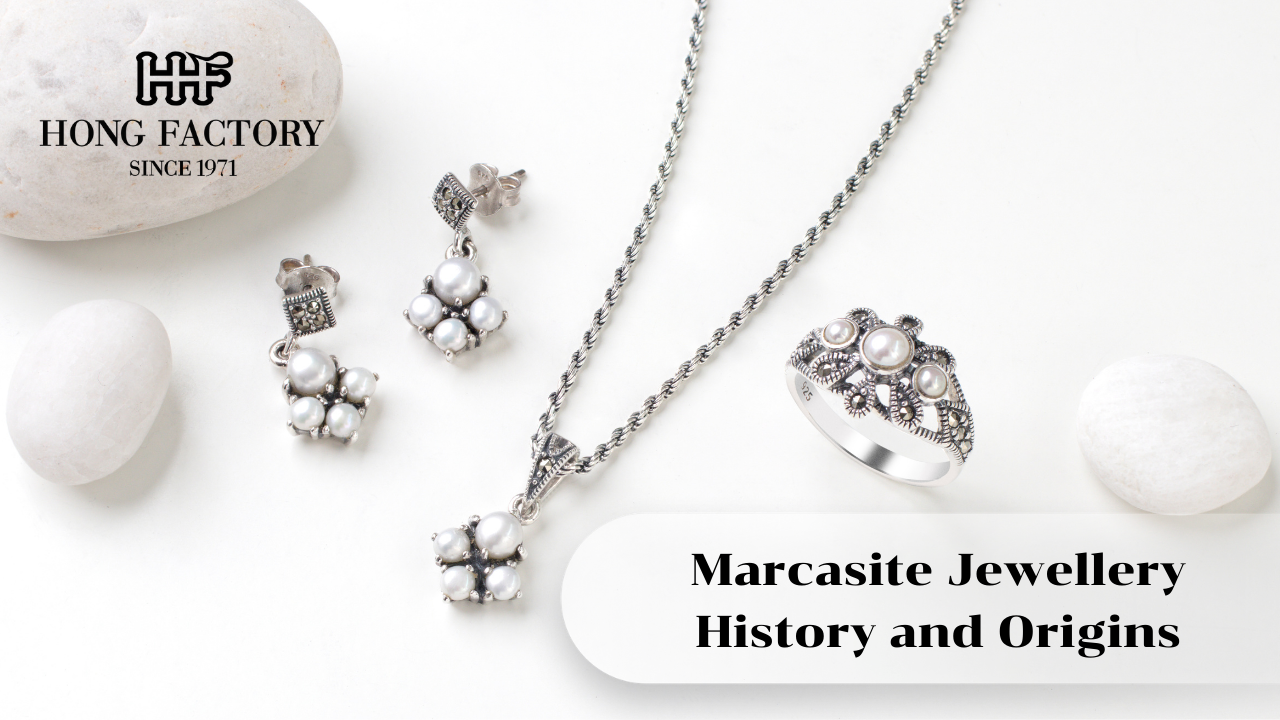
Marcasite jewellery has a long and fascinating history that dates back thousands of years. Although many people associate marcasite jewellery with vintage or antique fashion, its origins can be traced to ancient civilizations. Early forms of marcasite jewellery were created using naturally occurring iron sulfide crystals, which were valued for their metallic shine and reflective surface. sterling silver meaning
In ancient times, marcasite stones were admired not only for their beauty but also for their symbolic meaning. Civilizations such as the Greeks and Romans believed that marcasite had protective qualities and spiritual significance. The reflective surface of marcasite was thought to ward off negative energy and bring clarity to the wearer.
Unlike modern gemstones, marcasite was often set into metal using simple techniques. These early designs focused more on symbolism and craftsmanship rather than luxury, making marcasite jewellery accessible to a wider range of people.
Marcasite Jewellery in Ancient Civilizations
Ancient Greek and Roman societies were among the first to incorporate marcasite into jewellery designs. During these periods, marcasite jewellery was commonly worn as amulets, rings, and decorative pins. The metallic sparkle of marcasite made it an appealing alternative to more expensive gemstones.
In ancient Rome, marcasite jewellery became popular among soldiers and travelers. Many believed that wearing marcasite provided protection during long journeys or battles. This belief contributed to the stone’s reputation as a talisman rather than a luxury ornament.
Meanwhile, in parts of Asia and the Middle East, marcasite jewellery was used in ceremonial accessories. Craftsmen combined marcasite with silver to create pieces that were both decorative and meaningful, laying the foundation for future silver marcasite jewellery styles.
The Rise of Marcasite Jewellery in Europe
Marcasite jewellery gained widespread popularity in Europe during the medieval period. At this time, diamonds were rare and extremely expensive, making marcasite an attractive alternative. Its diamond-like sparkle allowed jewelers to create visually striking pieces at a lower cost.
During the 18th and 19th centuries, European artisans refined the art of setting marcasite into silver. Switzerland and Germany became well-known centers for marcasite jewellery production. Craftsmen developed intricate hand-setting techniques that are still admired today.
This period marked a turning point in marcasite jewellery history, as it transitioned from symbolic ornamentation to fashionable accessories worn by royalty and the upper class.
Victorian Era Influence on Marcasite Jewellery
The Victorian era played a crucial role in shaping the identity of marcasite jewellery. During this time, jewellery often reflected emotional expression, mourning traditions, and romantic symbolism. Marcasite jewellery became especially popular as mourning jewellery due to its subdued sparkle and elegant appearance.
Victorian marcasite jewellery typically featured floral motifs, intricate patterns, and detailed silver work. These designs emphasized craftsmanship and storytelling rather than bold luxury. The dark, metallic shine of marcasite perfectly complemented the era’s fashion preferences.
As a result, many antique marcasite jewellery pieces from the Victorian period are still highly valued by collectors today.
Edwardian and Art Deco Developments
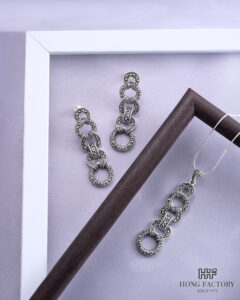
Following the Victorian era, marcasite jewellery continued to evolve during the Edwardian and Art Deco periods. Edwardian designs introduced lighter, more delicate styles that focused on elegance and refinement. Marcasite was often combined with filigree silver to create airy and sophisticated jewellery.
The Art Deco era brought a dramatic shift in design. Bold geometric shapes, symmetry, and clean lines became dominant. Marcasite jewellery during this time featured strong visual contrasts and modern aesthetics. These designs remain popular among vintage jewellery enthusiasts today.
Each era contributed unique elements to marcasite jewellery, enriching its history and expanding its appeal across generations.
Why Marcasite Jewellery Became Popular Worldwide
One reason marcasite jewellery gained global popularity is its versatility. It could be worn for formal occasions, daily fashion, or special ceremonies. Unlike fragile gemstones, marcasite offered durability while maintaining an elegant appearance.
Another key factor was affordability. Compared to diamonds and other precious stones, marcasite jewellery provided a luxurious look without excessive cost. This made it accessible to a broader audience while still maintaining a refined aesthetic.
Additionally, the timeless nature of marcasite designs allowed pieces to remain fashionable even as trends changed. This adaptability helped marcasite jewellery spread across cultures and continents.
Marcasite Jewellery in Modern Times
Today, marcasite jewellery is closely associated with vintage and antique styles, but it also has a place in modern fashion. Designers continue to draw inspiration from historical motifs while incorporating contemporary elements.
Modern marcasite jewellery often uses sterling silver and improved setting techniques to enhance durability. While the designs may appear vintage, the craftsmanship meets current quality standards, making these pieces suitable for everyday wear.
Collectors and fashion lovers alike appreciate marcasite jewellery for its history, elegance, and unique character.
The Lasting Legacy of Marcasite Jewellery
The history and origins of marcasite jewellery demonstrate its enduring appeal. From ancient amulets to Victorian masterpieces and modern fashion accessories, marcasite jewellery has evolved without losing its identity.
Its combination of historical significance, artistic craftsmanship, and timeless beauty ensures that marcasite jewellery remains relevant today. Whether worn as a statement piece or collected as an antique treasure, marcasite jewellery continues to connect the past with the present.