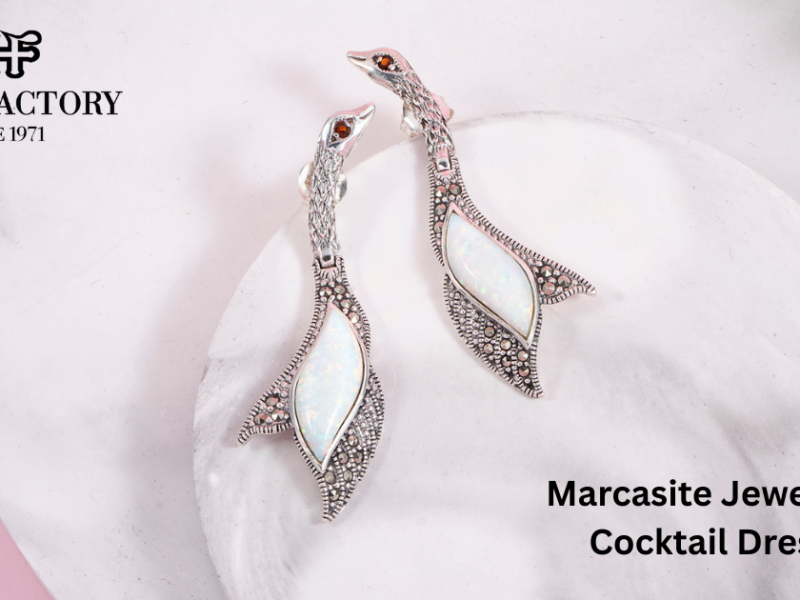
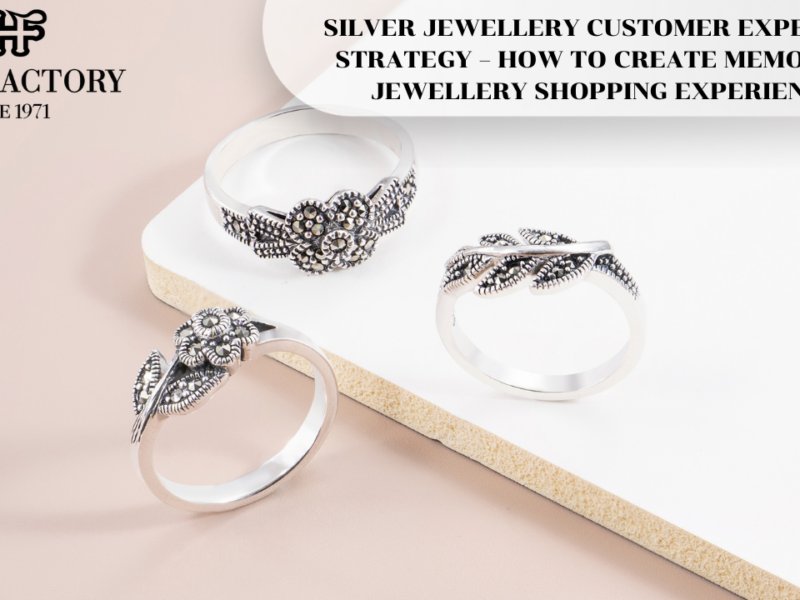
Marcasite jewelry is valued not for rarity of gemstones or precious metal weight alone, but for the craftsmanship behind every piece. Unlike mass-produced accessories, marcasite jewelry relies heavily on skilled human labor, traditional techniques, and attention to detail. Craftsmanship is the core factor that determines the beauty, durability, and long-term value of marcasite jewelry.
This article explores the role of craftsmanship in marcasite value, explaining how handwork, technique, and artisan expertise transform simple materials into timeless jewelry. mood ring color meanings
Why Craftsmanship Matters More Than Materials

In many jewelry categories, value is driven primarily by material cost. Marcasite jewelry follows a different philosophy.
Value Beyond Raw Materials
Marcasite jewelry typically uses:
- Sterling silver (925)
- Small, faceted pyrite stones
Individually, these materials are affordable. Their true value emerges through skilled craftsmanship, which turns them into refined, lasting pieces.
Hand-Setting as the Foundation of Marcasite Craftsmanship
The most defining element of marcasite jewelry is its hand-setting technique.
Precision and Skill
Each marcasite stone is placed and secured individually using tiny metal beads formed directly from the silver surface. This process requires:
- Steady hands and excellent eyesight
- Understanding of stone behavior
- Consistent pressure and alignment
Hand-setting ensures durability and visual harmony that machines cannot replicate.
Time Investment and Labor Intensity
Craftsmanship requires time.
Why Time Equals Value
A single marcasite piece may contain dozens or even hundreds of stones. Setting each one by hand dramatically increases labor hours, which directly contributes to the jewelry’s value.
Time invested reflects dedication rather than speed.
Artisan Experience and Expertise
Not all craftsmanship is equal.
Skilled Artisans Make the Difference
Experienced artisans understand:
- How to prevent stone cracking
- How to maintain symmetry across designs
- How to balance aesthetics with structural strength
Years of training and practice elevate marcasite jewelry from acceptable to exceptional.
Design Execution and Craft Quality
Craftsmanship affects how designs come to life.
Translating Design into Reality
Intricate motifs, fine lines, and dense stone arrangements require advanced craftsmanship. Poor execution can distort even the best designs, while skilled hands enhance their beauty.
Craft quality determines whether a design feels refined or crude.
Consistency and Attention to Detail
High-quality marcasite jewelry shows consistency.
Details That Signal Craftsmanship
- Even stone placement
- Uniform bead size
- Clean metal edges
- Smooth finishing
These small details collectively define overall quality.
Durability as a Result of Good Craftsmanship
Well-crafted marcasite jewelry lasts longer.
Structural Integrity
Proper hand-setting and silver thickness prevent:
- Stone loosening
- Metal warping
- Premature wear
Durability adds long-term value beyond initial appearance.
Craftsmanship and Repairability
Another overlooked value factor is repair potential.
Easier Restoration
Hand-set marcasite jewelry can often be repaired, resized, or restored by skilled jewelers. Glued or poorly constructed pieces are usually disposable.
Repairability supports sustainability and heirloom potential.
Emotional and Cultural Value of Craftsmanship

Craftsmanship adds meaning.
Human Touch and Heritage
Knowing a piece was made by skilled artisans creates emotional connection. Marcasite jewelry often represents:
- Cultural heritage
- Traditional skills
- Artisan pride
This emotional value cannot be mass-produced.
Craftsmanship vs Mass Production
Comparing handcrafted and mass-produced jewelry highlights differences.
Key Differences
- Handcrafted: unique, durable, repairable
- Mass-produced: uniform, disposable, trend-driven
Marcasite jewelry belongs firmly in the handcrafted category.
Craftsmanship and Brand Reputation
For brands, craftsmanship defines credibility.
Trust Through Quality
Consistent craftsmanship builds:
- Customer trust
- Brand loyalty
- Long-term reputation
Brands known for quality command higher perceived value.
Collectibility and Long-Term Value
Collectors prioritize craftsmanship.
Why Collectors Care
- Hand-set pieces age well
- Craft quality determines condition over time
- Historical techniques increase desirability
Craftsmanship directly influences collectibility.
Sustainability and Responsible Craft
Handcrafted jewelry supports sustainable practices.
Ethical Value
- Less reliance on mass production
- Support for artisan communities
- Longer product lifespan
Craftsmanship aligns with conscious consumer values.
How Buyers Can Recognize Good Craftsmanship
Understanding value helps buyers choose wisely.
Signs of Quality Craftsmanship
- Secure stones without glue
- Solid sterling silver structure
- Balanced weight and comfort
- Clean finishing front and back
These indicators reveal true value.
Why Craftsmanship Will Always Define Marcasite Jewelry
Trends may change, but craftsmanship endures.
Timeless Importance
As consumers increasingly value authenticity and durability, craftsmanship becomes even more important. Marcasite jewelry’s future depends on preserving these skills.
Conclusion
Craftsmanship is the heart of marcasite jewelry value. Through skilled hand-setting, careful design execution, and attention to detail, artisans transform simple materials into timeless pieces with emotional, cultural, and practical worth. While materials may be affordable, true value lies in the human skill behind them. In marcasite jewelry, craftsmanship is not an added feature—it is the foundation of everything that makes these pieces enduring and meaningful.