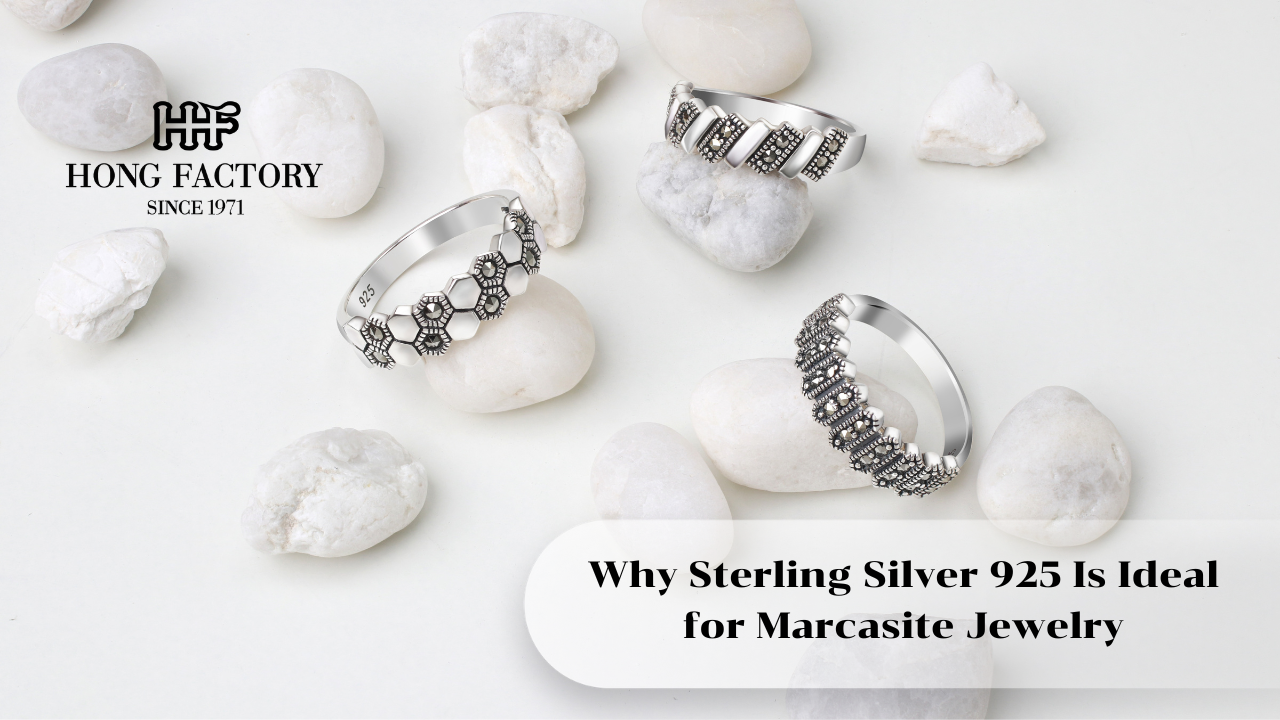
Marcasite jewelry is almost always associated with sterling silver, particularly 925 sterling silver. This pairing is not accidental. Over centuries of craftsmanship and experimentation, silversmiths have discovered that sterling silver offers the perfect balance of strength, flexibility, beauty, and workability required for marcasite jewelry. The success and longevity of marcasite designs depend heavily on this metal choice. mood ring color meanings
This article explains why sterling silver 925 is ideal for marcasite jewelry, examining its physical properties, aesthetic advantages, and role in traditional hand-setting techniques.
Understanding What Sterling Silver 925 Is
Sterling silver is an alloy composed of 92.5% pure silver and 7.5% other metals, usually copper.
Why Pure Silver Is Not Used
Pure silver (99.9%) is too soft for jewelry production. It bends easily and cannot securely hold stones over time. Alloying silver improves durability while preserving its visual appeal.
The 92.5% standard has proven to be the optimal balance.
Structural Strength for Stone Security
Marcasite jewelry requires precise and secure stone settings.
Strength Without Brittleness
Sterling silver is strong enough to hold tiny marcasite stones firmly while remaining flexible enough to form micro-prongs and beads during hand-setting. This balance prevents cracking stones or weakening the metal.
Other metals are often either too soft or too hard for this delicate process.
Flexibility for Traditional Hand-Setting
Hand-setting is central to authentic marcasite jewelry.
Why Flexibility Matters
Artisans must carve, push, and shape the silver directly around each stone. Sterling silver allows:
- Controlled pressure during setting
- Precise adjustment without breaking
- Fine detailing for intricate patterns
This flexibility makes sterling silver indispensable.
Ideal Surface for Micro-Bead Formation
Marcasite stones are held in place by tiny beads of metal.
Micro-Bead Advantage
Sterling silver forms clean, consistent micro-beads that securely grip the stones. These beads are strong enough to last decades when properly crafted.
Harder metals can fracture stones, while softer metals may not hold beads firmly.
Visual Harmony Between Silver and Marcasite
Aesthetics play a crucial role.
Complementary Appearance
Sterling silver’s cool tone enhances marcasite’s metallic sparkle without overpowering it. Oxidized silver finishes further increase contrast, emphasizing design depth and texture.
This visual harmony defines the classic marcasite look.
Support for Vintage and Antique Styling
Sterling silver reinforces historical authenticity.
Aging Gracefully Over Time
Silver develops a natural patina that enhances vintage character. Rather than diminishing beauty, aging often adds charm to marcasite jewelry, aligning with antique aesthetics.
This quality is highly valued by collectors and vintage lovers.
Comfort and Wearability
Everyday comfort is essential.
Lightweight and Balanced
Sterling silver is lighter than many other metals, allowing marcasite jewelry to remain comfortable even with dense stone arrangements. This makes it suitable for earrings, rings, and layered designs.
Comfort encourages frequent wear.
Compatibility With Other Design Elements
Sterling silver works well with mixed materials.
Design Versatility
Silver pairs easily with:
- Mother of pearl
- Onyx
- Enamel accents
- Colored gemstones
This versatility expands creative possibilities while maintaining cohesion.
Durability for Long-Term Use
When properly crafted, sterling silver is durable.
Longevity Benefits
- Resistant to cracking
- Maintains structural integrity
- Can be repaired or restored
Durability supports heirloom potential.
Ease of Repair and Restoration
Repairability adds long-term value.
Artisan-Friendly Metal
Sterling silver can be resized, polished, and repaired by skilled jewelers. This allows marcasite jewelry to be maintained over generations rather than discarded.
Sustainability and Ethical Considerations
Modern consumers value responsible materials.
Silver as a Sustainable Choice
- Recyclable without loss of quality
- Widely available recycled sources
- Long lifespan reduces waste
Sterling silver aligns with sustainable jewelry practices.
Global Craft Traditions and Silver Use
Silver has supported global marcasite craftsmanship.
Asian Manufacturing Excellence
Regions such as Southeast Asia, especially Thailand, have built global reputations for high-quality marcasite silver jewelry, combining traditional techniques with modern quality standards.
Why Other Metals Are Less Suitable
Alternatives exist but fall short.
Common Limitations
- Gold: too expensive and visually overpowering
- Brass or alloys: lack durability and prestige
- Stainless steel: too hard for hand-setting
Sterling silver remains the best compromise.
Identifying Genuine Sterling Silver in Marcasite Jewelry
Buyers should verify silver quality.
What to Check
- 925 or STERLING stamp
- Solid construction
- Consistent finish
Authentic silver supports authentic craftsmanship.
The Role of Silver in Marcasite Jewelry Value
Metal choice influences perception.
Value Contribution
Sterling silver reinforces:
- Quality expectations
- Craft credibility
- Timeless appeal
It elevates marcasite jewelry beyond costume accessories.
Why Sterling Silver Will Remain Essential
Despite evolving trends, silver’s role is secure.
Long-Term Relevance
As consumers seek authenticity, durability, and sustainability, sterling silver will continue to be the foundation of marcasite jewelry design.
Conclusion
Sterling silver 925 is ideal for marcasite jewelry because it perfectly supports craftsmanship, durability, and aesthetic harmony. Its strength and flexibility enable traditional hand-setting, while its visual qualities enhance marcasite’s subtle sparkle. Combined with comfort, repairability, and sustainability, sterling silver remains the definitive metal for marcasite jewelry—ensuring timeless beauty and long-term value.