Introduction
Jewellery comes in countless styles, designs, and price ranges, but one of the most important factors that determines its appearance, durability, and value is the material used to create it. Understanding jewellery materials helps buyers make informed decisions, whether purchasing an everyday accessory, a meaningful gift, or a luxury investment piece.
Many people are familiar with common materials such as gold and silver, but modern jewellery is made from a wide variety of metals, gemstones, and alternative materials. Each material offers unique advantages, maintenance requirements, and styling possibilities.
This guide explains jewellery materials in simple terms, helping beginners understand the differences between popular jewellery types and choose pieces that match their needs, lifestyle, and budget.
Why Jewellery Materials Matter
The material used in jewellery affects many aspects of ownership.
These include:
- Appearance
- Durability
- Comfort
- Maintenance
- Price
- Long-term value
Understanding these differences allows buyers to select jewellery that suits their personal preferences and intended use.
Precious Metals in Jewellery
Precious metals are among the most popular jewellery materials because of their beauty, rarity, and durability.
Gold Jewellery
Gold remains one of the most desirable jewellery materials worldwide.
For centuries, gold has been associated with wealth, luxury, and elegance.
Benefits of Gold Jewellery
Advantages include:
- Timeless beauty
- Excellent durability
- Long-term value
- Wide availability
Gold jewellery works well for both everyday wear and special occasions.
Gold Colors
Gold jewellery is available in several colors.
Yellow Gold
Yellow gold offers a traditional appearance and remains a classic choice.
White Gold
White gold provides a modern and sophisticated look.
It is often chosen as an alternative to platinum.
Rose Gold
Rose gold has become increasingly popular due to its warm and romantic color.
Its unique appearance appeals to many contemporary jewellery buyers.
Understanding Gold Purity
Gold purity is measured in karats.
24K Gold
24K gold contains the highest percentage of pure gold.
Benefits include:
- Rich color
- High purity
However, it is relatively soft.
18K Gold
18K gold offers an excellent balance between purity and durability.
It is commonly used in luxury jewellery.
14K Gold
14K gold is one of the most popular choices for everyday jewellery.
Advantages include:
- Durability
- Affordability
- Attractive appearance
Many consumers prefer 14K gold for regular wear.
Silver Jewellery
Silver jewellery remains one of the most popular options for buyers seeking beauty and affordability.
Why Silver Jewellery Is Popular
Benefits include:
- Affordable pricing
- Elegant appearance
- Versatile styling
- Wide design variety
Silver complements many fashion styles and occasions.
Sterling Silver
Most quality silver jewellery uses sterling silver.
Sterling silver contains:
- 92.5% silver
- 7.5% strengthening metals
This combination improves durability while maintaining silver’s attractive appearance.
Silver Maintenance
Silver may tarnish over time.
Proper care includes:
- Regular cleaning
- Dry storage
- Limited chemical exposure
With proper maintenance, silver jewellery can remain beautiful for many years.
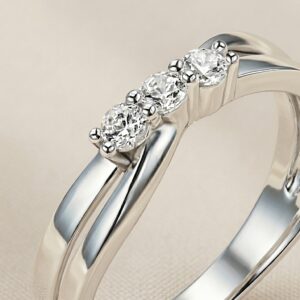
Platinum Jewellery
Platinum is considered one of the most prestigious jewellery materials.
Benefits of Platinum
Advantages include:
- Exceptional durability
- Natural white color
- Rare material
- Luxury appeal
Platinum is frequently used in engagement rings and premium jewellery collections.
Why Platinum Costs More
Platinum is:
- Rarer than gold
- Denser than gold
- More difficult to process
These factors contribute to its higher price.
Platinum for Everyday Wear
Because of its durability, platinum performs exceptionally well in jewellery worn daily.
Stainless Steel Jewellery
Stainless steel has become increasingly popular in modern jewellery.
Advantages of Stainless Steel
Benefits include:
- Affordable cost
- Strong durability
- Modern appearance
- Low maintenance
Many people choose stainless steel jewellery for everyday use.
Popular Stainless Steel Jewellery
Common examples include:
- Bracelets
- Chains
- Rings
- Watches
These pieces often combine practicality with contemporary style.
Titanium Jewellery
Titanium is known for its strength and lightweight properties.
Benefits of Titanium
Advantages include:
- Lightweight comfort
- Excellent durability
- Corrosion resistance
- Modern appearance
Titanium is especially popular in men’s jewellery.
Titanium Rings
Titanium rings have become a common alternative to traditional precious metals.
They offer:
- Comfort
- Strength
- Affordable pricing
These characteristics appeal to many buyers.
Tungsten Jewellery
Tungsten is another modern jewellery material.
Why Tungsten Is Popular
Benefits include:
- Extreme hardness
- Scratch resistance
- Contemporary design
Tungsten rings are particularly common among men seeking durable accessories.
Considerations
Although highly scratch-resistant, tungsten can be more brittle than some other metals under severe impact.
Gemstones in Jewellery
Gemstones play a major role in jewellery design.
They add color, sparkle, and individuality.
Diamond
Diamonds remain one of the most famous gemstones.
Advantages include:
- Exceptional hardness
- Brilliant sparkle
- Timeless appeal
Diamond jewellery remains highly sought after worldwide.
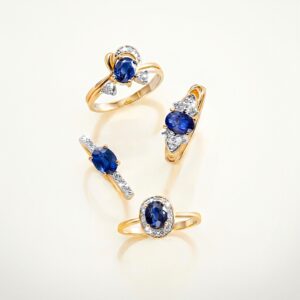
Sapphire
Sapphires are available in several colors but are most commonly associated with blue.
Benefits include:
- Durability
- Rich color
- Luxury appearance
Ruby
Rubies are valued for their vibrant red color.
They symbolize:
- Passion
- Love
- Strength
Ruby jewellery often creates a bold statement.
Emerald
Emeralds are known for their distinctive green color.
Benefits include:
- Unique beauty
- Elegant appearance
- Historical significance
Emerald jewellery remains a favorite among gemstone enthusiasts.
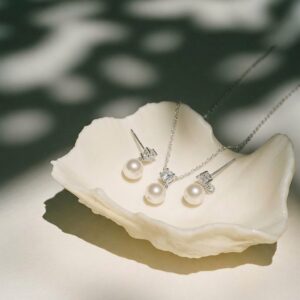
Pearl Jewellery
Pearls differ from many gemstones because they are organic materials.
Why Pearls Are Unique
Pearls are formed naturally inside certain mollusks.
Their appearance is often associated with:
- Sophistication
- Elegance
- Timeless fashion
Popular Pearl Jewellery
Examples include:
- Pearl necklaces
- Pearl earrings
- Pearl bracelets
- Pearl rings
Pearls remain a classic jewellery choice for all generations.
Alternative Jewellery Materials
Modern jewellery designers increasingly experiment with alternative materials.
Leather
Leather is commonly used in:
- Bracelets
- Necklaces
Benefits include:
- Casual style
- Comfort
- Unique texture
Wood
Wood jewellery offers a natural appearance.
Advantages include:
- Lightweight feel
- Eco-friendly appeal
- Distinctive design
Ceramic
Ceramic jewellery has gained popularity in recent years.
Benefits include:
- Scratch resistance
- Lightweight construction
- Modern aesthetics
These materials provide alternatives to traditional metals.
Choosing Jewellery Materials Based on Lifestyle
Different lifestyles often require different jewellery materials.
Active Lifestyle
Recommended materials include:
- Stainless steel
- Titanium
- Tungsten
These materials offer excellent durability.
Professional Lifestyle
Popular choices include:
- Gold
- Silver
- Platinum
These metals provide a refined and professional appearance.
Fashion-Focused Lifestyle
Those interested in trends may enjoy:
- Mixed metals
- Colorful gemstones
- Alternative materials
These options provide greater styling flexibility.
Jewellery Materials and Budget
Budget is often a major consideration when purchasing jewellery.
Affordable Options
Budget-friendly materials include:
- Sterling silver
- Stainless steel
- Titanium
These materials offer excellent value.
Mid-Range Options
Popular mid-range choices include:
- 14K gold
- Gemstone jewellery
- Premium silver jewellery
These pieces balance quality and affordability.
Luxury Options
Luxury jewellery often features:
- Platinum
- High-karat gold
- Diamonds
- Rare gemstones
These materials typically command higher prices.
How to Identify Quality Jewellery Materials
Recognizing quality materials helps buyers make informed decisions.
Check Hallmarks
Metal jewellery often contains stamps indicating purity.
Examples include:
- 925 for sterling silver
- 14K for gold
- 18K for gold
Buy from Reputable Sellers
Trusted retailers provide:
- Material information
- Authenticity guarantees
- Better customer support
Request Documentation
For valuable purchases, certificates may confirm:
- Metal content
- Gemstone authenticity
- Quality standards
Documentation provides additional confidence.
Comparing Popular Jewellery Materials
Gold vs Silver
Gold offers greater prestige and value.
Silver provides affordability and versatility.
Platinum vs White Gold
Platinum is more durable and naturally white.
White gold is generally more affordable.
Stainless Steel vs Titanium
Both materials are durable.
Titanium is lighter, while stainless steel is often more affordable.
Each material serves different needs and preferences.
Future Trends in Jewellery Materials
Consumer preferences continue to evolve.
Growing trends include:
- Sustainable materials
- Recycled metals
- Ethical gemstones
- Innovative alloys
Modern buyers increasingly value both style and responsibility.
Conclusion
Understanding jewellery materials is one of the most important aspects of buying jewellery. From gold and silver to platinum, titanium, gemstones, and alternative materials, each option offers unique benefits and characteristics.
By learning how different materials perform in terms of durability, maintenance, appearance, and value, buyers can make informed decisions that suit their lifestyle and budget. Whether you prefer classic precious metals or modern alternatives, choosing the right jewellery materials helps ensure long-term satisfaction and enjoyment.