How Jewellery Silver is Made from Start to Finish
Jewellery silver is not just a beautiful accessory, but also the result of a detailed and precise manufacturing process. Understanding how jewellery silver is made helps both buyers and business owners appreciate the value behind each piece.
For those in the jewelry business, especially in wholesale or OEM production, knowing the manufacturing process is essential. It allows better communication with suppliers, improves quality control, and supports stronger SEO content for PBN strategies.
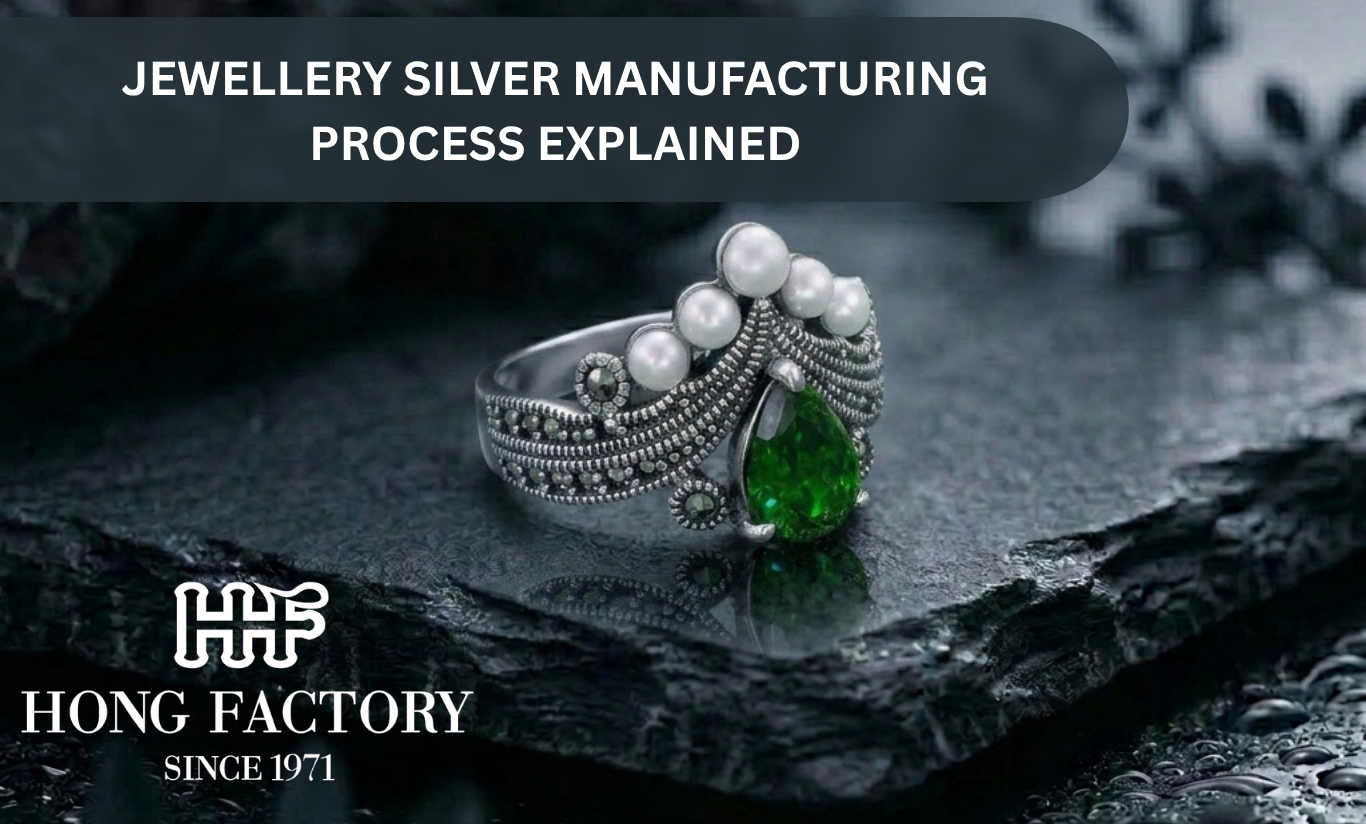
Jewellery Silver Manufacturing Process Explained
The process of creating jewellery silver begins with raw materials. Pure silver is too soft to use in jewelry, so it is mixed with other metals, usually copper, to create sterling silver (925). This alloy provides the strength needed for daily wear.
The next step is melting. The silver alloy is heated at high temperatures until it becomes liquid. It is then poured into molds to form basic shapes such as bars or sheets.
After that, the material is shaped into jewelry components. This can be done through casting, cutting, or stamping. Casting is commonly used for complex designs, while stamping is ideal for simple and consistent shapes.
Crafting and Design Development
Once the basic shape is created, the design process begins. Skilled artisans or machines refine the piece according to the desired design.
For detailed jewellery silver pieces, wax models are often used before casting. This method, known as lost-wax casting, allows for precise and intricate designs.
Handmade jewellery silver involves manual work such as soldering, engraving, and stone setting. This adds uniqueness and artistic value to each piece.
Machine-made jewelry, on the other hand, ensures consistency and efficiency, which is ideal for large-scale production.
Polishing and Finishing Techniques
Polishing is a critical step in the jewellery silver manufacturing process. It gives the final product its shine and smooth surface.
Different finishing techniques can be applied depending on the design. High polish creates a mirror-like shine, while matte finishes give a softer look. Oxidized finishes are also popular for vintage-style jewellery silver.
Quality finishing enhances both the appearance and durability of the product.
Stone Setting in Jewellery Silver
Many jewellery silver pieces include gemstones or decorative elements. Stone setting is a delicate process that requires precision and skill.
Common setting techniques include prong setting, bezel setting, and pave setting. Each method offers a different visual effect and level of security.
Proper stone setting ensures that the stones stay in place and adds value to the jewelry.
Quality Control in Manufacturing
Quality control is an essential part of jewellery silver production. Each piece must be inspected to ensure it meets standards.
Manufacturers check for:
- Silver purity (925 standard)
- Surface finishing quality
- Structural strength
- Secure clasps and joints
High-quality manufacturers often perform multiple inspections before shipping products.
Why Manufacturing Content is Valuable for SEO
Jewellery silver manufacturing is a strong SEO topic because it targets both consumers and business owners. Many users search for information about how jewelry is made or where to source products.
For PBN strategies, this content can link to related topics such as jewellery silver wholesale, jewellery silver quality, and jewellery silver suppliers. This creates a strong content network that improves search engine rankings.
Educational content also builds trust and positions your website as an authority in the jewelry industry.
Business Advantages of Understanding Manufacturing
Understanding the jewellery silver manufacturing process gives businesses a competitive advantage. It helps in selecting the right suppliers and negotiating better deals.
It also allows brands to communicate product value more effectively to customers. Sharing behind-the-scenes content can increase brand trust and engagement.
For OEM businesses, this knowledge is essential for customizing designs and managing production timelines.
Common Mistakes in Jewellery Silver Production
One common mistake is using low-quality materials. This can result in weak products that tarnish quickly or break easily.
Another mistake is poor finishing. Even a well-designed piece can look unattractive if the finishing is not done properly.
Skipping quality control is also a major issue. This can lead to defective products reaching customers and damaging brand reputation.
Conclusion
Jewellery silver manufacturing is a complex process that combines technology and craftsmanship. From raw materials to final polishing, each step plays an important role in creating high-quality jewelry.
For SEO and PBN strategies, manufacturing content is highly valuable because it attracts both buyers and business audiences. By providing clear and informative content, you can build authority and grow your online presence effectively.
Keywords:
- jewellery silver manufacturing
- silver jewelry production
- jewelry making process